


The rain drummed steadily against the zinc roof of his apartment, the kind of downpour that turns the streets into shallow rivers. Kola Okonkwo, 31, stood by his window watching the taillights of Yetunde’s taxi disappear into the traffic. She had been kind about it, her voice soft but firm as she explained that their visions no longer aligned. “I need someone who’s ready for the next chapter, Kola. And right now, it feels like we’re reading different books.” He didn’t argue. He simply nodded, offered her a respectful hug, and watched her leave. That familiar hollow feeling settled in his chest, the quiet exhaustion of another ending that felt too similar to the last three.

Earlier that year, in the dry season when harmattan dust still lingered in the air, it had been Amara. They met at a professional networking event in Victoria Island. She was ambitious, quick with laughter, and seemed grounded. Then one Sunday afternoon at a café in Lekki, she told him the spark had faded, that she felt they were moving in circles. Before her came Ngozi during the bustling Christmas period, and prior to that, Funke in the early rains.
Each time, the women were different on the surface but the endings carried the same quiet refrain: “You’re a great guy, Kola, but something’s missing.”
By the time the third paragraph closes, Kola had already poured himself a cold bottle of drink, sat on his worn leather couch, and allowed the weight of the pattern to fully land. What troubled him was the mirror staring back: why did he keep drawing in partners who eventually walked away for similar reasons? In that moment of quiet reflection, he decided it was time to look inward with the curiosity of a man ready to understand his own story.
The Invisible Pattern Young Men Often Miss
You meet someone who feels righ and for a season everything clicks, then, without clear warning, the connection unravels. For many young men this cycle can feel like a personal failing rather than a pattern worth examining. The truth is, attraction isn’t random. It often reflects the unexamined parts of ourselves we bring into relationships just like the emotional availability we think we have, the clarity about our own direction that we assume is solid.
Kola began noticing how each woman had, in her own way, expressed a desire for steadiness that he believed he offered but perhaps hadn’t fully embodied. He worked long hours as a project manager in construction, chasing contracts that took him across the country. On paper, he was responsible. Yet in the quiet evenings when conversations turned toward future plans, he realized his answers were often vague. Not because he lacked ambition, but because he hadn’t sat with himself long enough to define what stability looked like beyond financial targets.
This isn’t about perfection; it’s about alignment. When you consistently attract partners who eventually seek more grounded energy, it may signal that some part of your own foundation still feels temporary to others, even if it doesn’t feel that way to you.
How Past Experiences Shape Current Choices Without Us Realizing
Growing up, Kola learned to value provision and resilience, qualities he brought proudly into dating. But the softer skills weren’t modeled as loudly. Many young men carry similar invisible scripts from family life, not as excuses but as starting points for awareness. This shaped how Kola chose and responded in relationships.
He gravitated toward women who appeared independent and low-maintenance, partly because he admired that strength and partly because it matched his own pace. Yet those same qualities sometimes meant they had little tolerance for emotional ambiguity. The insight here is gentle: your attractions are often drawn from familiarity. If certain dynamics feel comfortable at first but later reveal gaps, it’s worth asking what old patterns you might be repeating.
Not to criticize your upbringing, but to decide consciously what you want to carry forward and what you’re ready to adjust as a man stepping into fuller responsibility.
The Role of Self-Clarity in Breaking the Cycle
In the weeks that followed, he began journaling honest notes about what he truly wanted in a partner and, more importantly, what kind of partner he aimed to become. He realized he had been showing up as the reliable guy who could handle logistics and provide laughs, but he sometimes avoided deeper vulnerability.
Young men often excel at problem-solving in their careers while underestimating how emotional steadiness becomes attractive over time.
This self-clarity isn’t about becoming someone new overnight, but about knowing your non-negotiables and communicating them early, not as ultimatums but as honest sharing. When you understand your own pace, you naturally filter better. Kola began noticing how, in past connections, he would downplay his uncertainties to keep the peace, hoping things would resolve themselves. That approach, while well-intentioned, often left women sensing inconsistency, even when his actions were kind.
Building Emotional Steadiness That Others Can Feel
Instead of saying “I’m working on things,” he practiced being specific: “I’m focusing on creating more balance between work travels and personal time because I value presence.”
This honesty created space for mutual understanding rather than silent disappointment. Young men navigating the pressures of providing often carry heavy loads, and it’s understandable to sometimes delay emotional work.
But relationships thrive when both people sense the other is intentionally growing.
He also paid attention to how he spent his time outside of work. Weekends that once blurred between hanging out with friends and catching up on rest became opportunities for reflection and small routines.
These weren’t grand transformations. They were quiet signals of a man becoming more settled within himself, which inevitably changes the energy he brings into new connections.
Recognizing When It’s Not About You, And When It Is
Not every mismatch is a reflection of your shortcomings.
Sometimes timing, differing life stages, or simple incompatibility play their roles. Yetunde wanted to start thinking about marriage and family sooner, while Kola was still stabilizing his career after a tough economic period. Acknowledging this honestly helped him release unnecessary guilt. At the same time, he owned the parts within his control: showing up more consistently, asking better questions early, and being clearer about his own readiness.
This balanced view prevents both self-blame and avoidance of growth. You can respect someone’s decision to leave while still learning from the shared experience. For young men, this discernment matters. It protects your confidence while sharpening your awareness.
Moving Forward With Patience and Intention
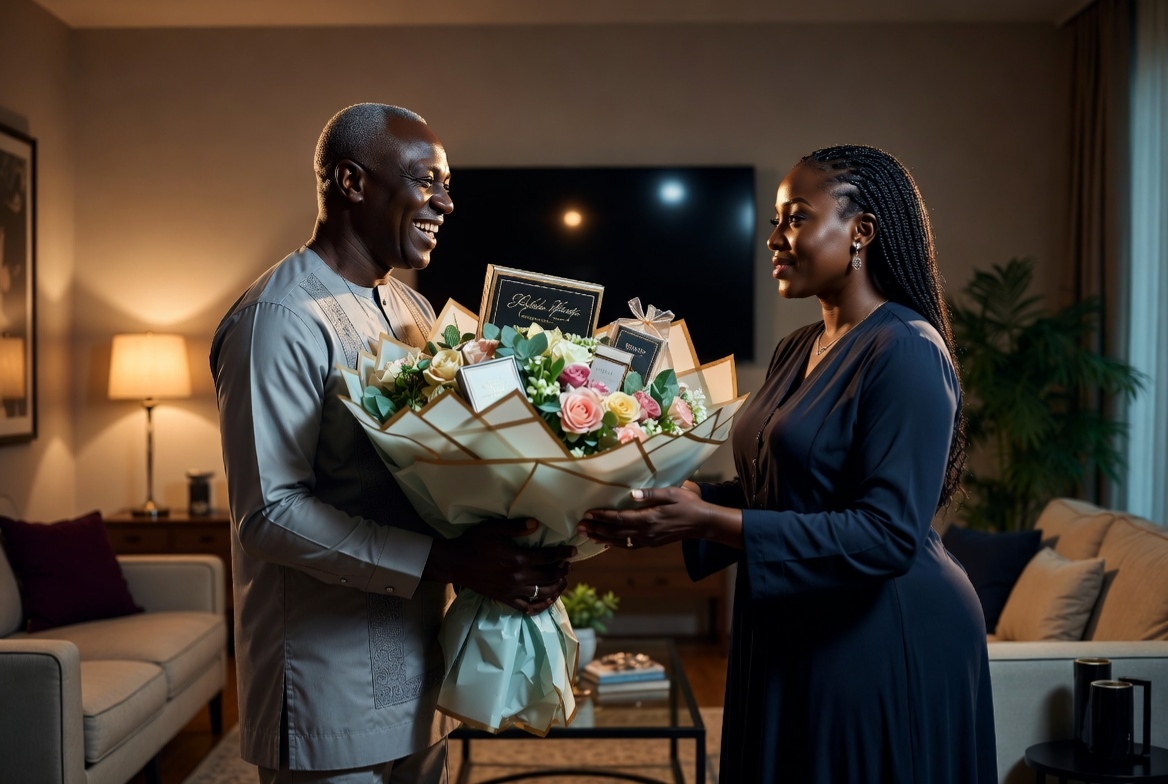
Months later, Kola met someone new, as a man carrying clearer intentions. The early conversations felt different because he was different. He listened more intentionally, shared his process openly, and observed how the connection developed without forcing outcomes.
The pattern didn’t vanish instantly, but the quality of his reflections changed. He no longer saw repeated endings as proof something was fundamentally wrong with him. Instead, they became data points guiding him toward better alignment.
You deserve connections that feel reciprocal and steady. The journey involves treating yourself with the same patience and understanding you’d offer a close friend navigating similar questions. It’s not about rushing into the next relationship to prove the pattern is broken. It’s about becoming the kind of man whose presence feels reliable because it is.
Young man reading this, know that the question “Why am I always attracting the wrong people?” often holds its answer closer than it first appears. It’s in the mirror, in the patterns you’re brave enough to examine, and in the small daily choices that shape who you become.
You’re not broken. You’re becoming. And that becoming can lead to connections that feel right, not because they’re perfect, but because you are showing up with clearer hearts and steadier steps.


Comments (0)
Please sign in to join the conversation.
Loading comments...