


Marriage is often built on love, companionship, trust, and intimacy. For many couples, physical closeness is one of the ways they express affection and strengthen their bond. However, what happens when one partner consistently feels rejected sexually? Few experiences in marriage can leave a person feeling as confused, hurt, and lonely as being turned away by the person they love.

Sexual rejection in marriage is a sensitive subject that many couples face but rarely discuss openly. It is often hidden behind closed doors, buried under pride, embarrassment, or fear of being judged. Yet its impact can be far-reaching, affecting emotional connection, self-esteem, communication, and even the overall health of the relationship.
Why Sexual Rejection Feels So Personal
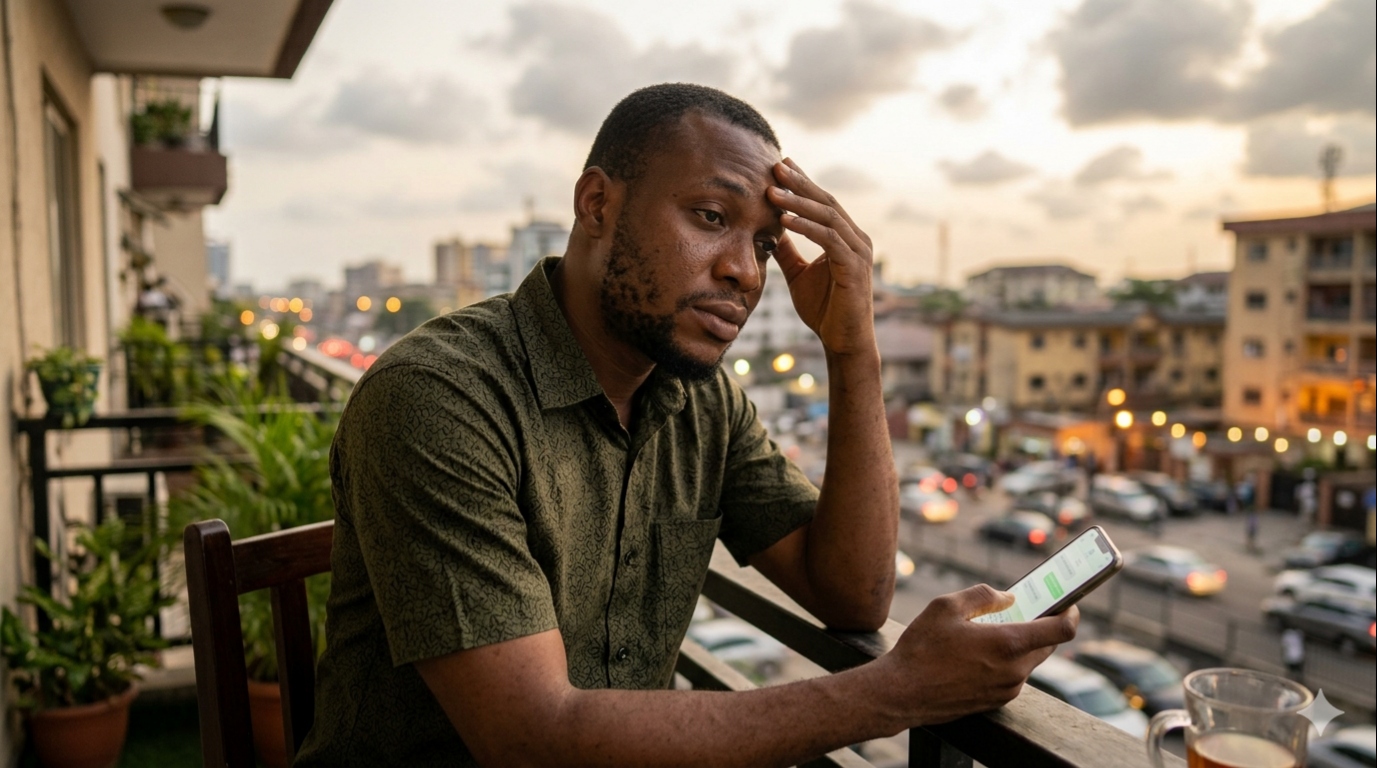
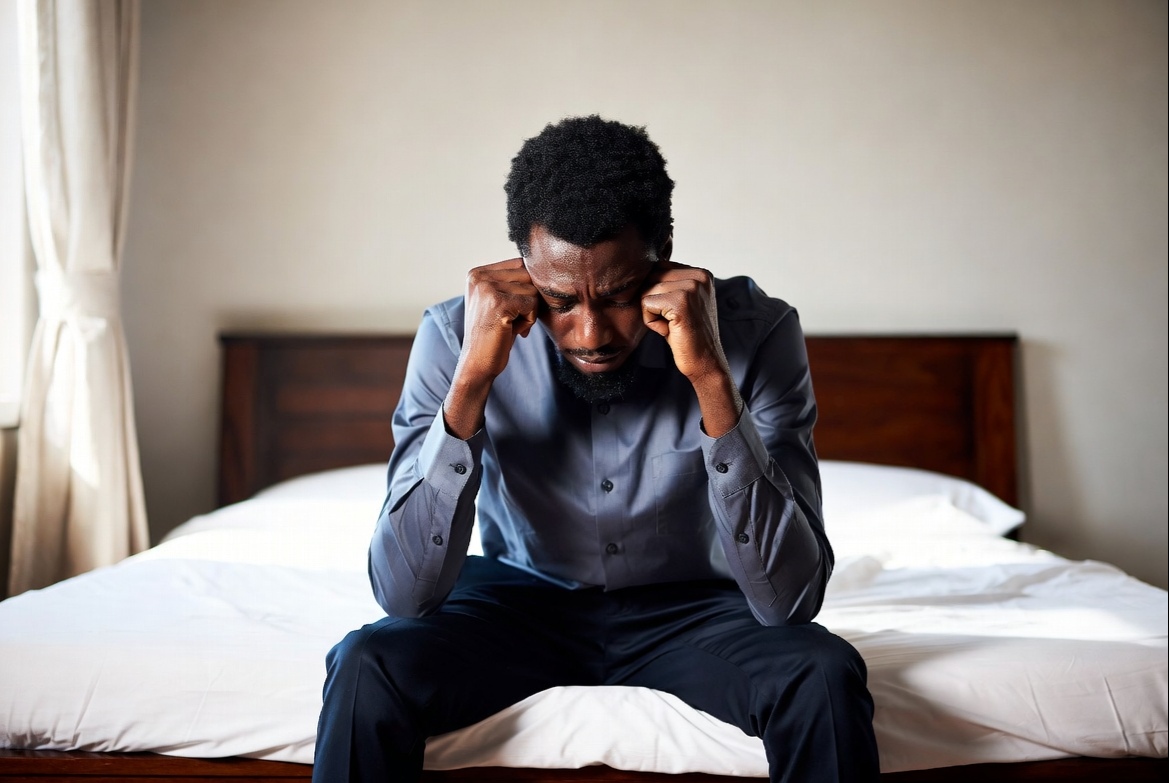
One of the most painful aspects of sexual rejection is that it is often taken personally. When a spouse repeatedly declines intimacy, the other partner may begin to wonder whether they are no longer attractive, desirable, or loved. Thoughts such as "What is wrong with me?" or "Have I become less important?" can quietly take root. Over time, these feelings can damage confidence and create emotional distance between partners.
The Moment You Become a Stepdad to Your Biological Kids Without Realising
The reality, however, is that sexual rejection is not always about a lack of attraction. Life can place enormous demands on people. Stress from work, financial pressure, parenting responsibilities, health challenges, hormonal changes, emotional struggles, and mental exhaustion can all affect a person's desire for intimacy. Sometimes, the partner who is rejecting sex is struggling with issues they have not yet expressed or even fully understood themselves.
When Silence Creates Distance
The difficulty arises when these situations are not talked about. Silence often creates assumptions, and assumptions frequently create resentment. A spouse who feels rejected may start withdrawing emotionally. They may stop initiating intimacy altogether to avoid further disappointment. Meanwhile, the other partner may not even realise the depth of the hurt they are causing. This silent gap can grow wider with each passing week.
Healthy communication is one of the most effective ways to address sexual rejection in marriage. Rather than approaching the issue with accusations or anger, it is often more productive to discuss feelings honestly and calmly. Explaining how the rejection affects emotions can open the door to understanding. Conversations that focus on feelings rather than blame are more likely to encourage openness and cooperation.
Rebuilding Intimacy Beyond the Bedroom
It is also important to remember that intimacy is not limited to sexual activity. Holding hands, hugging, cuddling, meaningful conversations, and spending quality time together can help maintain emotional closeness even during difficult periods. These simple acts remind both partners that they are still valued and loved, even when physical intimacy is temporarily lacking.
That said, ongoing sexual rejection should not simply be ignored or excused indefinitely. Every marriage deserves attention and care. If one partner consistently feels neglected, both individuals have a responsibility to explore the reasons behind the problem and work towards a solution. This may involve adjusting schedules, reducing stress, seeking medical advice, or attending marriage counselling.
The Danger of Comparing Your Marriage to Others
Another challenge that often accompanies sexual rejection is comparison. These days, people are constantly exposed to images and stories that present unrealistic versions of marriage. Social media can make it seem as though other couples are constantly happy, affectionate, and fulfilled. Comparing your marriage to others can increase feelings of inadequacy and frustration. Every relationship faces unique challenges, and appearances rarely tell the full story.
Patience is equally important. Rebuilding intimacy often takes time, especially when the underlying issues are complex. Healing emotional wounds, restoring trust, and rekindling desire cannot be forced. Small, consistent efforts are usually more effective than dramatic gestures. What matters most is a shared commitment to understanding each other and strengthening the relationship.
Protecting Your Self-Worth
For the spouse experiencing rejection, it is crucial not to tie your entire sense of worth to your partner's response. While intimacy is important, your value as a person extends far beyond your sexual relationship. Maintaining friendships, pursuing personal interests, and investing in self-care can help preserve confidence and emotional balance during difficult times.
Marriage is a partnership, and every partnership experiences seasons. There may be periods of closeness and periods of struggle. Sexual rejection does not automatically mean a marriage is failing, nor does it mean love has disappeared. In many cases, it is a signal that something deeper needs attention.
The strongest couples are not those who never face challenges. They are the ones who choose to confront those challenges together. By replacing assumptions with conversations, resentment with understanding, and silence with honesty, couples can often find their way back to the connection they once shared.
Conclusion
At its heart, intimacy is about feeling seen, valued, and desired by the person you love. When sexual rejection enters a marriage, it can shake those feelings profoundly. Yet with patience, empathy, and open communication, it is possible to move through the hurt and rebuild a stronger, more connected relationship.

Comments (0)
Please sign in to join the conversation.
Loading comments...