

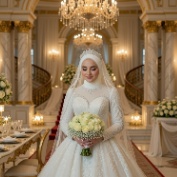
Weddings are meant to celebrate love, unity, and the beginning of a shared journey. But for many young couples today, the dream of a fairy-tale wedding comes with a price far heavier than they anticipated. Extravagant ceremonies, designer dresses, luxury venues, and elaborate guest lists are becoming the standard but at what cost?

It starts with excitement. The couple is engaged, hearts full of joy, and plans begin. Pinterest boards are filled with inspiration. Instagram feeds overflow with beautiful venues, elegant decorations, and celebrity-inspired gowns. Families offer advice, friends chip in suggestions, and suddenly, the wedding is no longer just about love it’s about status, expectations, and appearances.
The first signs of financial strain are subtle. A budget is set, but with every dream dress, designer shoe, or gourmet menu option, the budget stretches. What seemed manageable becomes complicated. Parents promise support, but it’s never enough to cover every detail. Friends suggest “just a little more,” and the pressure to keep up with societal expectations grows.
Credit cards start to fill, loans are quietly taken out, and couples find themselves sinking deeper into debt before the big day even arrives. The excitement of planning is tempered by stress. Conversations that once focused on love and shared dreams now turn to numbers, costs, and payments. The joy of engagement becomes intertwined with worry, anxiety, and the fear of disappointing families or friends.
Extravagance doesn’t stop at the venue or dress. Invitations are printed in gold foil. Wedding favors are designer-branded. Photographers are booked months in advance at rates that rival the couple’s first salaries combined. Bands, DJs, and live performers add tens of thousands of naira to the tally. Even small touches—a custom cake, elaborate floral arrangements, a luxury car for the bridal procession—pile onto a growing mountain of expenses.
For many young couples, this spending is aspirational. Social media has normalized grand weddings, showing picture-perfect moments without revealing the months of financial juggling behind them. Friends and family often compare celebrations, and the subtle pressure to “match” or “outdo” others can be overwhelming. Suddenly, love is measured in how lavish the ceremony looks, rather than the strength of the relationship itself.
Debt is just the beginning of the problem. Many young couples begin their marriage already burdened by financial stress. Loans taken for weddings require repayment. Credit card balances accrue interest. Savings that could have gone toward buying a home, starting a business, or investing for the future are instead spent on a single day. The irony is stark: the day meant to celebrate their love may leave them financially vulnerable for months, sometimes years, to come.
Emotional strain follows closely behind. Money disagreements are among the top causes of conflict in marriages, and couples who start their lives together under financial pressure often find arguments magnified. What should be a partnership built on trust and communication can become a battleground over money. Resentment can grow quietly. One partner may feel unfairly burdened; the other may feel judged for spending. The very celebration intended to mark the beginning of a life together can become a source of lingering tension.
Cultural and familial expectations complicate matters further. In many communities, a wedding is not just for the couple—it is a public event meant to honor both families. Parents and extended relatives may insist on traditions, lavish gifts, and large guest lists. Young couples, eager to please loved ones, often acquiesce, sacrificing their financial stability for approval and social recognition. The pressure to appear successful and generous overshadows practicality.
Yet extravagance is not inherently wrong. For some, a big wedding is a dream come true, a once-in-a-lifetime celebration of love and commitment. The challenge is when spending exceeds means and priorities are skewed. Financial literacy, planning, and clear communication become critical. Couples who understand their limits and prioritize long-term stability over fleeting spectacle are better equipped to enjoy the day without regret.
Human stories illustrate the stakes. Newlyweds often recount nights spent poring over bills, wondering how to pay off wedding-related debt while still saving for a home or emergency fund. Some delay life plans—moving into their own apartment, buying a car, or starting a family—because wedding expenses took precedence. The glitter of that one day is remembered fondly, but the burden lingers quietly, shaping the first months or years of married life.
Experts warn that extravagant weddings can foster unhealthy expectations. They teach young couples to associate love with spending rather than commitment, and social comparison encourages continual escalation. What begins as a beautiful expression of devotion can become a cycle of one-upmanship, debt, and stress. Emotional wellness, relationship stability, and financial health can all be compromised for the sake of appearances.
So how can young couples celebrate their love without sacrificing their future? The solution lies in intentionality. Couples must define what truly matters to them—whether it’s the dress, the venue, the guest list, or simply the presence of loved ones. Planning with a realistic budget, prioritizing savings, and openly communicating about finances are essential steps. Seeking advice from those who have successfully navigated wedding costs can provide perspective and practical guidance.
Alternative approaches are gaining popularity. Some couples opt for intimate ceremonies with close friends and family, focusing on the emotional significance of the day rather than extravagance. Others spread the celebration over time, hosting a simple legal ceremony first, followed by a modest reception later. Destination weddings, micro-weddings, and creative budget-conscious options allow couples to celebrate in style without jeopardizing financial stability.
The long-term benefits of moderation are clear. Couples who begin married life without excessive debt have the freedom to invest in their future—buying a home, starting a business, traveling, or saving for family needs. Their focus can remain on building a life together, rather than constantly repaying wedding expenses. Financial stability also supports emotional wellness, reducing conflict and fostering harmony in the early years of marriage.
Extravagance is seductive. The allure of a lavish wedding, the excitement of dressing in couture, the glamour of a grand venue, and the praise of friends and family can make overspending feel justified. But every choice carries consequences, and couples who prioritize long-term security over temporary spectacle are often those who find joy not only on the wedding day but for years afterward.
Ultimately, weddings are meant to celebrate love, commitment, and partnership. They are not competitions or public displays of wealth. Young couples who remember this truth—and who plan accordingly—can create beautiful, memorable ceremonies that honor their relationship without jeopardizing their financial future.
Love does not need gold-foiled invitations, five-tiered cakes, or designer gowns to be meaningful. It needs presence, connection, and shared commitment. The most unforgettable weddings are not always the most expensive—they are the ones that reflect the values, priorities, and love of the couple themselves.
Extravagant weddings can be enchanting, but they should never overshadow the purpose of marriage: building a life together. When couples lose sight of that, they risk starting married life burdened by stress, debt, and regret. When they keep perspective, love and joy become the centerpiece of the celebration, and financial stability ensures that the first day of marriage is just the beginning of a lifetime of happiness.



Comments (0)
Please sign in to join the conversation.
Loading comments...