

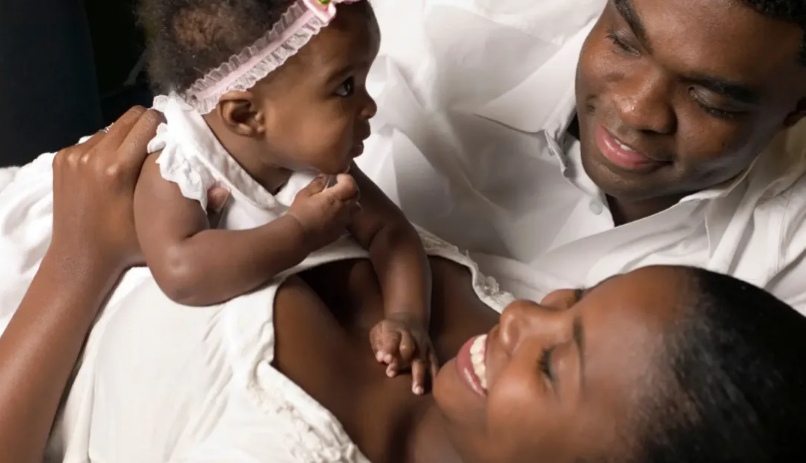
The baby had been asleep for 11 minutes when Amira finally let herself cry.
Zein was fed, burped, and swaddled the way the nurse at the clinic had shown her. Mahdi was asleep down the hall, exhausted from a week of visitors, prayers, and congratulations that hadn't stopped since they brought their son home. Everything, on paper, was fine.

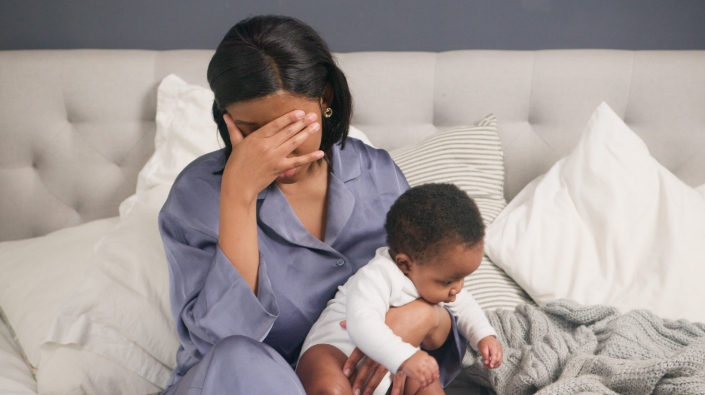
And yet Amira sat on the cold bathroom tile with her knees pulled to her chest, crying in a way she couldn't explain to herself, let alone to him.
This scene repeats itself in every place where a woman has just given her body and her sleep and a piece of her old identity to bring a new person into the world.
Three weeks earlier, Mahdi wouldn't have known what to look for. He'd assumed, like many new fathers do, that his job ended at the delivery room door - that his role was to provide, to protect, to keep the household running while his wife recovered. He loved Amira fiercely, but love without understanding can look a lot like absence.
It took his own mother to say something he never forgot: "Her body finished its work. Her mind is still fighting." And it's the starting point for every husband who wants to actually help, not just mean well.
Here is what he learned, point by point.
1. Recognise that recovery isn't just physical. The stitches heal. The hormones do not simply reset overnight. Estrogen and progesterone plummet dramatically after birth, and that chemical cliff affects mood in ways no amount of willpower can override.
2. Watch for silence, not just tears. Amira didn't sob dramatically. She went quiet. Withdrawal, flat affect, and a loss of interest in things she used to enjoy can be louder warning signs than visible sadness.
3. Don't take the irritability personally. New mothers running on ninety minutes of broken sleep are not the same people they were nine months ago. Snapping at small things is often exhaustion speaking, not resentment.
4. Take overnight duties, even for one stretch. Mahdi began taking the 1 a.m. feeding with a bottle of expressed milk, just so Amira could get one uninterrupted sleep cycle. Sleep is not a luxury in postpartum recovery; it is medicine.
5. Ask specific questions, not vague ones. "Are you okay?" invites a reflexive "I'm fine." Mahdi learned to ask instead, "What was the hardest hour today?" Specificity gives permission to be honest.
6. Protect her from the parade of visitors. In many households, well-wishers arrive constantly after a birth, which is a beautiful tradition, but it can also exhaust a mother who needs rest more than company. A husband can gently manage the guest list.
7. Do the invisible labour without being asked. Washing bottles, folding laundry, sweeping the compound - these unglamorous tasks matter more than flowers. Amira once said the dishes done quietly meant more to her than any gift.
8. Learn the difference between baby blues and something deeper. The blues typically fade within two weeks. When sadness, anxiety, or numbness stretches longer or intensifies, it may be postpartum depression or anxiety, and professional support becomes necessary.
9. Normalise seeking help instead of treating it as shameful. In many communities, mental health struggles are whispered about, not spoken aloud. Mahdi made the decision to say openly to family, "We're seeing a counsellor," refusing to let stigma dictate silence.
10. Show up to appointments. When Amira finally saw a doctor, Mahdi sat beside her, not outside in the car. His presence told her she wasn't carrying this alone.
11. Feed her body deliberately. Iron-rich foods, warm soups, dates, and consistent meals support physical recovery, which in turn supports mental resilience. Skipping meals while caring for a newborn is common and dangerous.
12. Give her permission to feel conflicted about motherhood. Loving a child and grieving your old freedom can coexist. Mahdi stopped expecting Amira to feel only joy, and that release of pressure alone lifted something heavy off her chest.
13. Create small rituals of normalcy. A 10-minute walk outside the compound, a phone call, a cup of tea sipped slowly - these fragments of ordinary life remind a new mother she still exists beyond the role of caregiver.
14. Watch your own mental health too. Fathers experience postpartum depression as well, often undiagnosed. Mahdi's own irritability and fatigue needed acknowledgement because an unsupported husband cannot fully support his wife.
15. Speak to her, not about her. Discussing her struggles with relatives before discussing them with her breaks trust. Mahdi learned to bring concerns to Amira first, privately, with tenderness rather than alarm.
16. Celebrate tiny victories loudly. The day Amira laughed again, really laughed, at something Zein did, Mahdi made a point, "That's the first time in weeks. I noticed." Small acknowledgements rebuild a woman's sense of herself.
17. Stay even when it's hard to know what to do. There is no perfect script for supporting someone through postpartum struggles. Mahdi didn't get it right every time. But he stayed present, curious, and willing to learn, and that consistency became the foundation Amira leaned on.
And to every husband quietly wondering if his wife is truly okay, the answer often lies not in the big gestures, but in the small, unglamorous, consistent ones.
Notice her.
Ask her.
Stay with her.


Comments (0)
Please sign in to join the conversation.
Loading comments...