

Marriage is one of the biggest decisions most people will ever make. It is more than a beautiful wedding, matching outfits, romantic photos, or social media celebrations. Marriage is a lifelong partnership that affects your emotional well-being, finances, peace of mind, and future happiness.

Love is important, but love alone is not always enough to sustain a healthy marriage. Sometimes, you become so focused on chemistry, attraction, or the fear of being alone that you overlook serious warning signs. Unfortunately, those signs often become impossible to ignore after the wedding.
How Silence Can Slowly Turn Lovers Into Strangers
While nobody is perfect and every person has flaws, there are certain character traits and behaviours that can make marriage unnecessarily difficult. Recognising them early could save you years of heartache and regret.
The Person Who Refuses to Take Responsibility
One of the most exhausting people to marry is someone who never accepts responsibility for their actions. Every mistake is someone else's fault. Every problem has a scapegoat. Every disagreement somehow ends with them portraying themselves as the victim.
In the beginning, this behaviour may seem harmless. They may have convincing explanations for why things go wrong in their lives. However, as time passes, you may notice a pattern. They blame their parents, friends, colleagues, former partners, neighbours, and even circumstances beyond their control.
Marriage requires accountability. Couples make mistakes, hurt each other unintentionally, and face challenges together. If one partner is incapable of admitting fault, resolving conflicts becomes nearly impossible. Instead of finding solutions, you may spend years defending yourself against accusations that should never have been made.
A healthy marriage needs two people who can honestly say, "I was wrong," when necessary.
The Person Who Treats Others Poorly
Many people make the mistake of judging a potential spouse solely by how they are treated. But a person's true character is often revealed in how they treat people who cannot benefit them.
Pay attention to how they speak to waiters, cleaners, security guards, drivers, family members, and strangers. Notice whether they show respect only when it serves their interests.
Someone who constantly humiliates, insults, belittles, or disrespects others may eventually direct that same behaviour towards their spouse. Kindness is not something that should switch on and off depending on who is watching.
The reality is simple: if a person enjoys making others feel small, marriage will not magically transform them into a considerate partner.
The Person Who Is Controlled by Anger
Everyone gets angry. Anger itself is not the problem. The issue lies in how a person handles it.
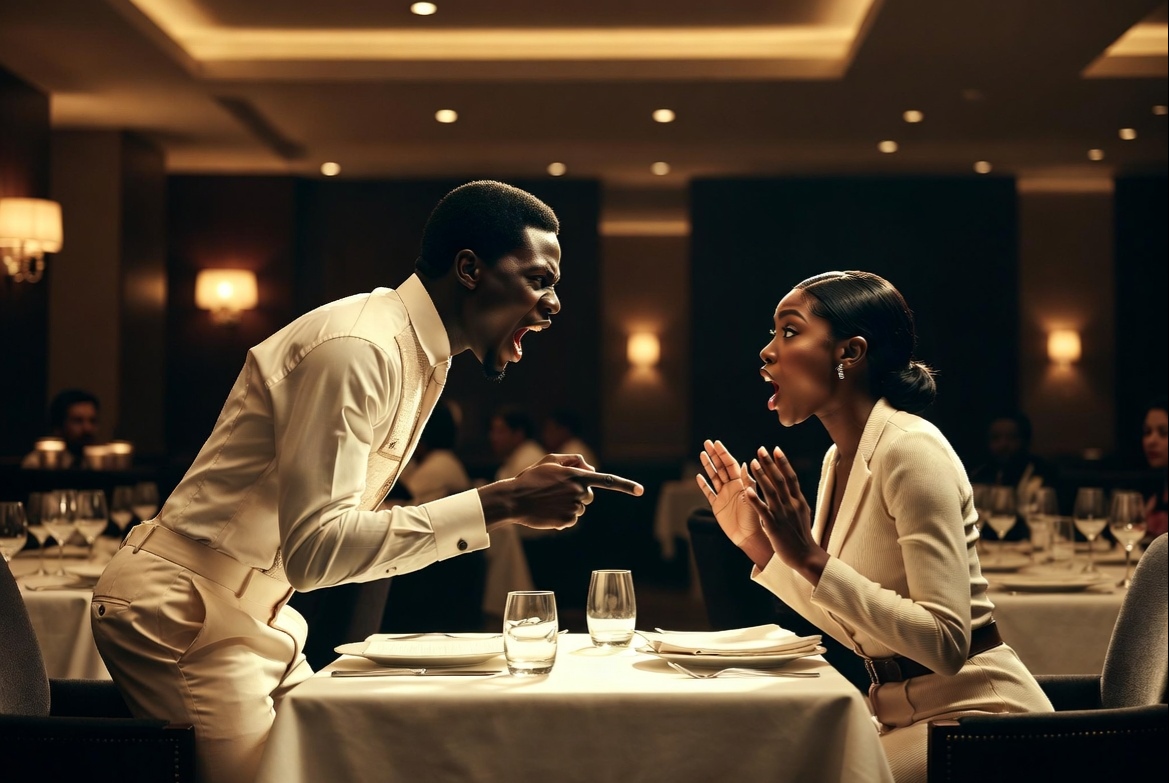
Some people become aggressive, destructive, threatening, or verbally abusive whenever they are upset. Others use silence, intimidation, or emotional manipulation as weapons. Over time, living with such a person can feel like walking through a field of hidden landmines, never knowing what might trigger the next explosion.
A marriage should be a place of safety, not fear. If someone regularly loses control of their emotions before marriage, there is little reason to believe things will automatically improve afterwards.
Strong relationships require emotional maturity. A person who cannot manage their anger may struggle to manage the pressures that inevitably come with married life.
The Person Who Has No Desire to Grow
Life constantly changes. Careers evolve, children arrive, financial situations shift, and unexpected challenges emerge. Successful marriages often depend on two people being willing to learn, adapt, and grow together.
However, some individuals become comfortable with stagnation. They resist advice, reject constructive criticism, and refuse to improve themselves. They believe they already know everything worth knowing.
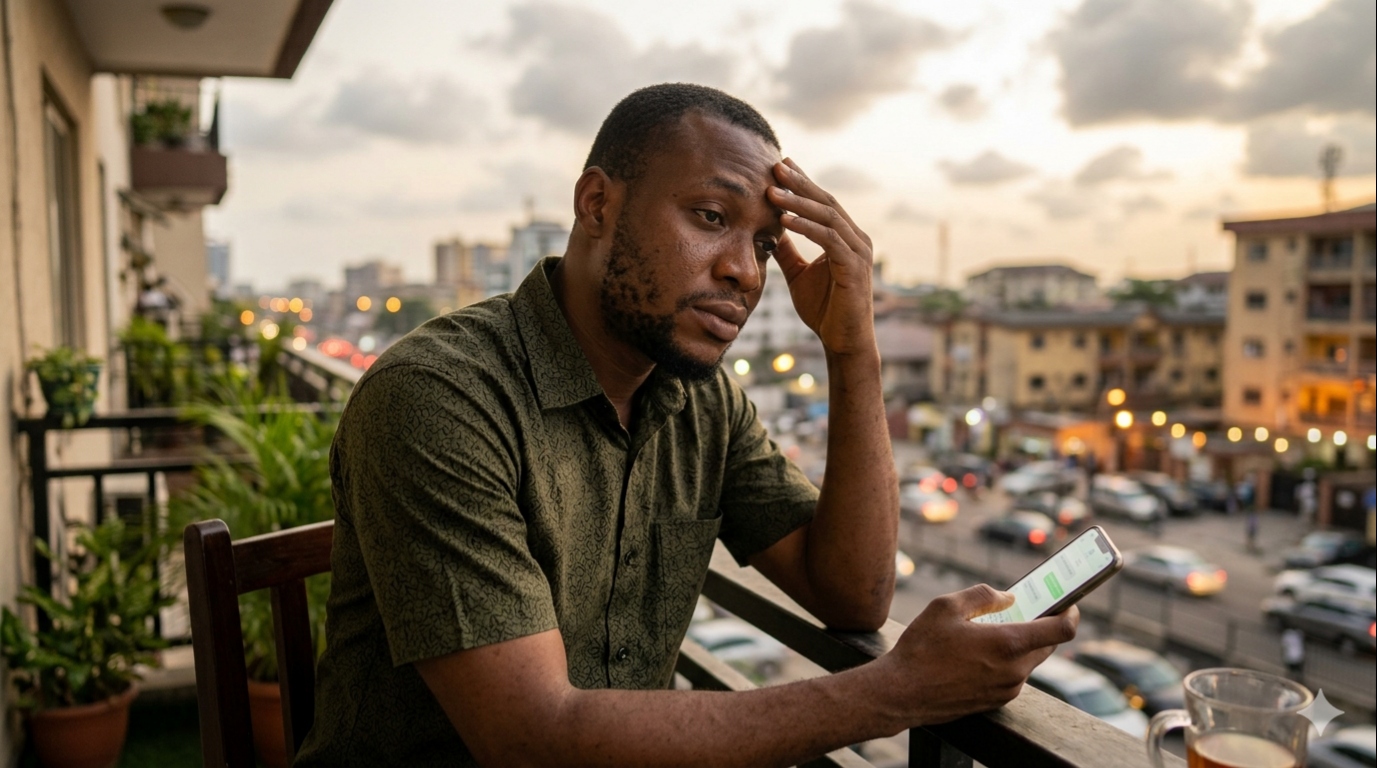
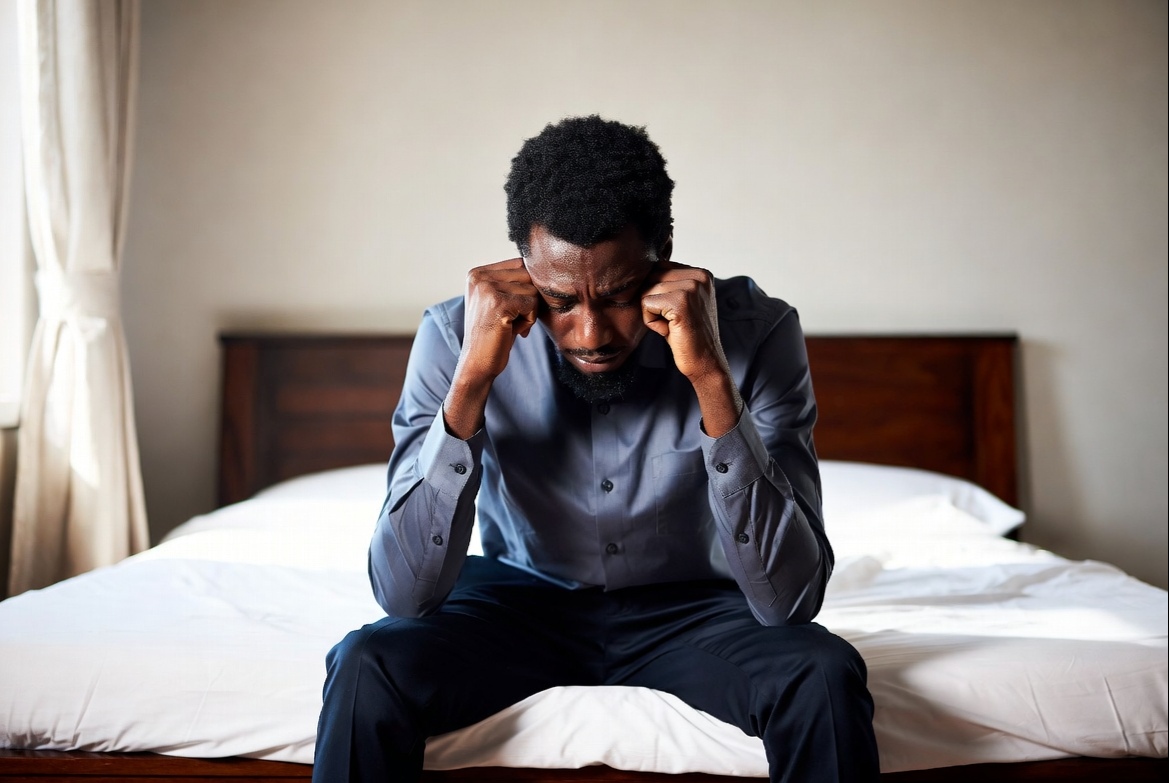
Being married to someone who refuses to grow can feel frustrating and lonely. While you strive to become a better partner, parent, or person, they remain exactly where they are. Over time, this difference can create emotional distance and resentment.
Growth is not about becoming perfect. It is about being willing to become better.
The Person Who Is Dishonest About Important Things
Trust is the foundation upon which every healthy marriage is built. Once trust is repeatedly broken, rebuilding it can be incredibly difficult.
Dishonesty does not always begin with major lies. Sometimes it starts with small deceptions, hidden habits, secret debts, half-truths, or carefully omitted information. A person who consistently bends the truth before marriage may continue doing so afterwards.
Marriage requires transparency. Partners should be able to trust each other's words, intentions, and actions. Without trust, even simple situations can become sources of suspicion and anxiety.
When honesty is missing, genuine intimacy becomes almost impossible because people can only feel secure when they know they are seeing the real person behind the mask.
Final Thoughts
No human being is flawless. Every relationship will involve challenges, misunderstandings, and moments of disappointment. The goal is not to find a perfect spouse because such a person does not exist.
The goal is to choose someone whose character makes it possible to build a healthy, respectful, and lasting partnership.
Before saying "I do," look beyond appearances, emotions, and temporary excitement. Pay attention to patterns, values, habits, and character. The person you marry will influence your life more than almost anyone else.
A wedding lasts for a day, but a marriage can shape the rest of your life. Choose wisely.

Comments (0)
Please sign in to join the conversation.
Loading comments...