


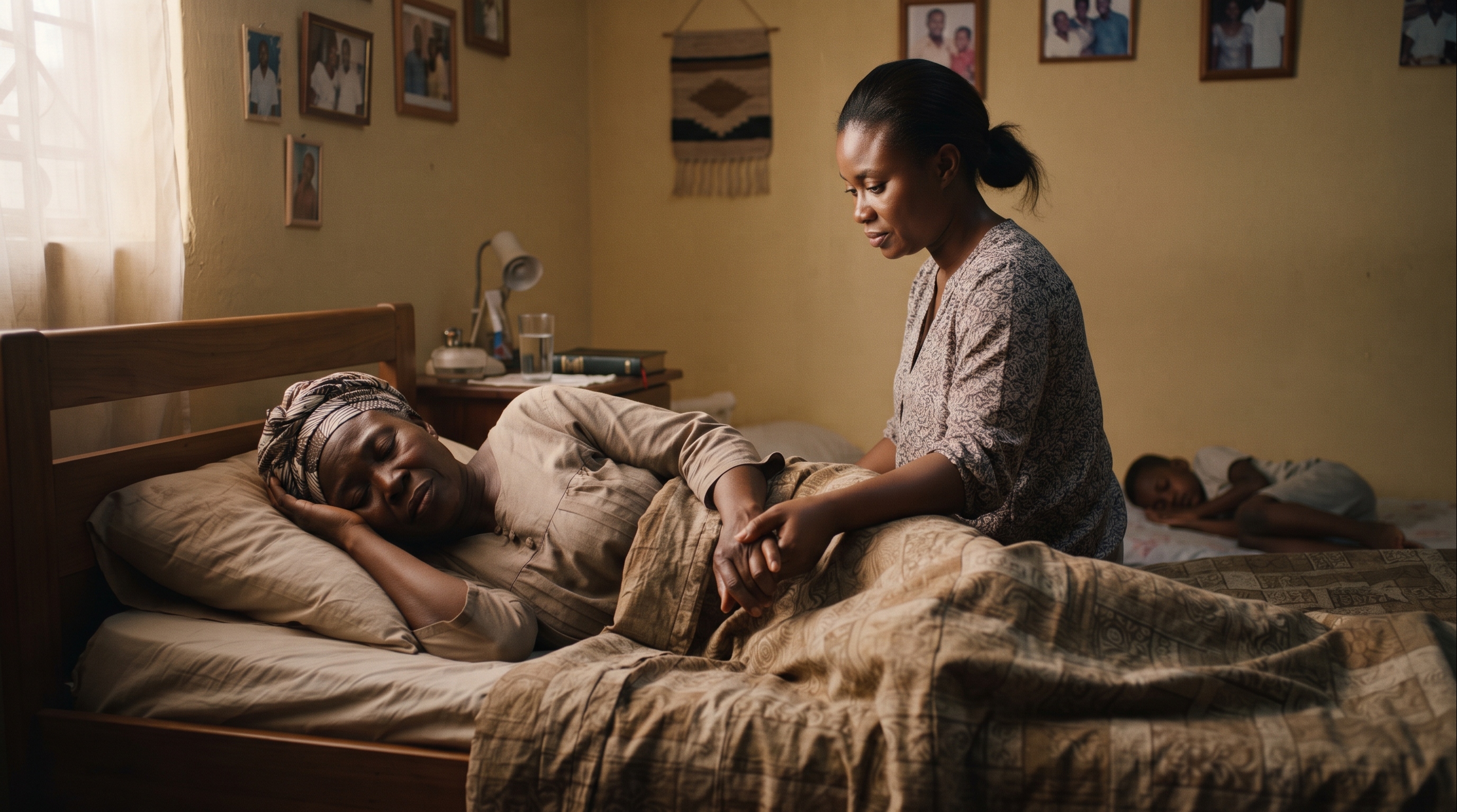
It is past midnight in a modest compound in Enugu, and the generator has just coughed itself to silence. In the stillness that follows, Mama Ngozi lies awake, listening to the house breathe. Down the hallway, her teenage son is still scrolling under his blanket, the blue light flickering against the wall like a small, restless ghost.

In the next room, her husband turns for the third time, his back aching from a day spent bent over motorcycle parts at the workshop. And in the tiny room she shares with her grandmother, six-year-old Adaeze has finally stopped asking for water, for the fan to be adjusted, for one more story.
Mama Ngozi closes her eyes, but sleep does not come. It rarely does anymore.
African families are tired - not from a lack of love or effort, but from the invisible weight of provision, tradition, noise, worry, and the simple, human need for rest that somehow keeps slipping through our fingers.
We rarely talk about sleep in our families. We talk about school fees, about weddings, about who will host Christmas, about ageing parents and difficult in-laws. Sleep feels almost too small a thing to mention.
And yet, beneath every short temper at breakfast, every child who cannot concentrate in class, every grandmother who complains her bones no dey rest, is often one quiet culprit: a body and mind that have not truly slept in a long time.
Why does this happen to us so often?
Partly, it is the rhythm of our lives. Many of us carry the responsibilities of an entire extended family on our shoulders - school fees for nephews, medical bills for an uncle, a widowed mother who needs company in her old age. Partly, it is the noise: generators, church vigils, night markets, the call to prayer, a baby crying two rooms away. Partly, it is worry itself - the quiet arithmetic of survival that runs through our minds long after the lights go out.
And when sleep is stolen night after night, the body keeps a painful account. Blood pressure rises. Immunity weakens. Memory blurs. Patience thins until small provocations feel unbearable. Children who do not sleep well struggle to learn. Parents who do not sleep well struggle to love gently. Marriages absorb the silent tension of two exhausted people trying to build a life together on empty.
This is biology, quietly begging to be heard.
Long before sleep clinics and imported remedies, our grandmothers understood rest as something sacred, something to be protected. We simply need to remember what was always within reach.
Begin with the evening ritual our elders never abandoned. A warm bath before bed, sometimes with lemongrass or scent leaf steeped into the water, does more than clean the body - it signals to the mind that the day is closing.
Herbal teas remain some of our most underrated healers. Chamomile, moringa, hibiscus, or the humble ginger-and-lemongrass blend that many of our mothers boiled without knowing the science behind it gently calms the nervous system.
Consider the quiet power of a shared evening meal, eaten unhurriedly, away from screens. Families who eat together, even simply, often sleep more peacefully - the stomach settled, the heart less lonely.
Reduce the blue light our children carry to bed. A simple house rule, phones resting in the sitting room after 9 p.m., can restore hours of lost rest without a single cedi or naira spent.
Reclaim the tradition of storytelling before sleep. Long before television, our grandparents used folktales to settle restless children. A softly told story still works better than any screen.
Warm milk with a pinch of nutmeg or a few strands of saffron, where affordable, remains a gentle, time-tested comfort passed down through generations of African households.
Physical movement during the day genuinely earns the body deeper rest at night. A sedentary day often produces a restless night.
Prayer and quiet reflection, central to so many of our homes, calm the mind in ways medicine alone cannot. A short prayer, a psalm, a moment of gratitude before sleep, releases the grip of worry.
Scent leaf, lavender where available, or a simple sachet of dried herbs placed near the pillow can ease the transition into sleep, much as our elders once used local plants for comfort.
Limit heavy, oily meals late at night, especially for ageing parents whose digestion has slowed; a lighter dinner protects both stomach and sleep.
Create a cooler sleeping environment where possible - a fan positioned wisely, windows cracked for cross-breeze, lighter bedding during humid months.
Address noise with compassion, not resentment. Earplugs for a teenager studying late, a gentle conversation with neighbours about vigil volume, or simply relocating a crying infant’s cot can protect everyone’s rest.
Warm foot soaks with Epsom salt or warm water and a little salt, a practice many grandmothers swore by, relax tired limbs after long days of labour or trek.
Consistent sleep and wake times, even amid unpredictable schedules, train the body’s internal clock - a discipline our farming ancestors, rising and resting with the sun, understood instinctively.
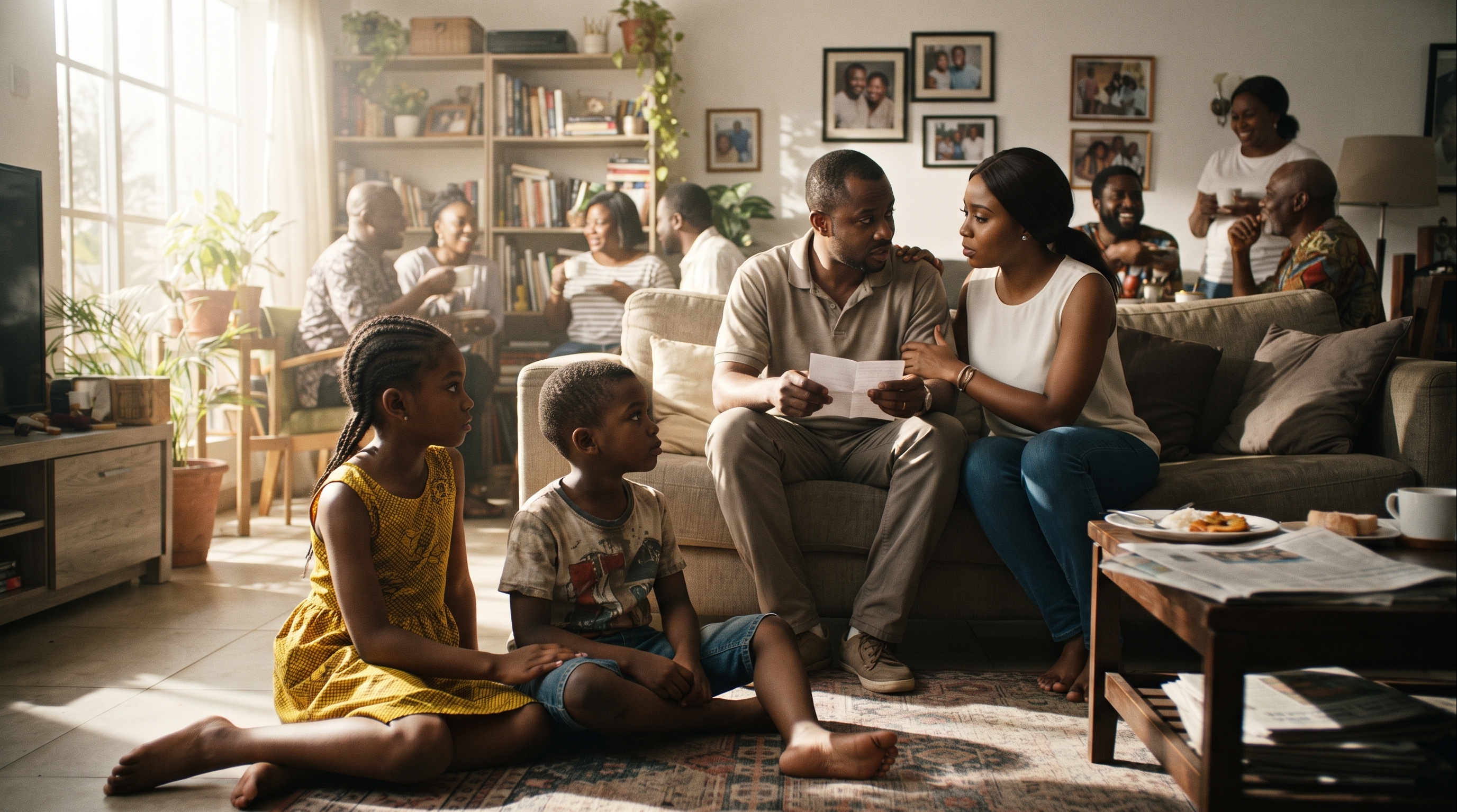
And perhaps most powerfully, honest conversation before bed. Many sleepless nights are not physical at all, but emotional - an unspoken hurt between spouses, an unresolved tension with a child, a grief never voiced. Sometimes the most natural sleep aid is simply saying the true thing, gently, before the lights go out.
None of these remedies requires a foreign prescription or an expensive import. They require only what has always lived within our homes: patience, ritual, herbs from our own soil, and the willingness to protect rest as fiercely as we protect provision.

Comments (0)
Please sign in to join the conversation.
Loading comments...