

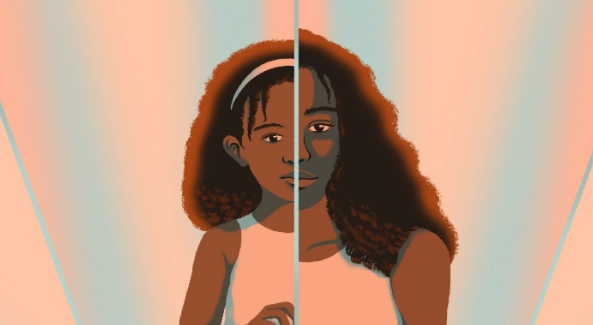
Solange Mba was folding laundry on a Tuesday evening in Libreville when she noticed her ten-year-old daughter, Divine, standing unusually long in front of the bathroom mirror. Divine simply turned sideways, studied her reflection, sighed, and walked out without saying a word.
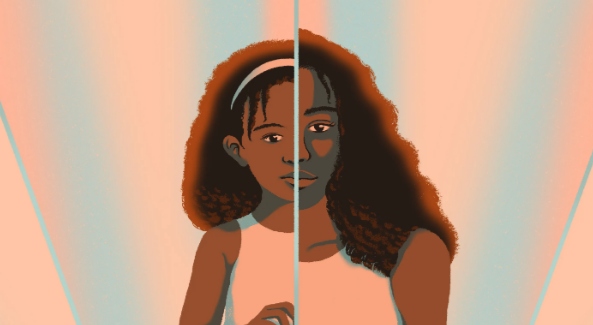
Solange almost laughed it off as childish curiosity, but something in her daughter’s face stayed with her - a flicker of confusion that looked older than 10 years should allow. That night, she mentioned it to her elder daughter Prisca, 16, who smiled knowingly and said, “Maman, I remember that stage. It’s starting for her.”
Solange watched her younger daughter from then on. She began noticing things she had previously brushed aside as “just a phase” - mood swings that arrived without warning, a sudden obsession with smelling nice, an irritation toward hugs she once welcomed.
What Solange was witnessing was the early and often invisible arrival of pre-puberty. This transition rarely announces itself loudly. It creeps in through small, strange behaviours that many guardians overlook until the changes become impossible to ignore.
If you are a mother, older sister, or guardian raising a girl between the ages of eight and 12, this is for you. Below are 14 signs that quietly signal your daughter’s body and mind are beginning to shift, followed by honest, judgment-free guidance on what to actually do about it.
The 14 Signs You Shouldn’t Ignore
1. Sudden body odour that wasn’t there before. Divine began needing deodorant months before anyone expected it. Sweat glands activate early, and this is often the very first physical clue.
2. A new obsession with privacy. Doors that used to stay open now close. Bathroom time stretches longer. This isn’t rebellion; it’s a budding awareness of her own body.
3. Breast bud tenderness or slight swelling. Many girls complain that their chest feels sore when hugged too tightly. This tenderness is completely normal and usually the earliest physical marker of hormonal change.
4. Unpredictable mood swings. One moment she’s laughing, the next she’s in tears over something small. Hormones are shifting faster than her emotional vocabulary can keep up.
5. Growth spurts that outpace her wardrobe. If shoes and skirts suddenly feel tight within weeks, her body is quietly accelerating its timeline.
6. Increased interest in appearance. Divine started borrowing her mother’s perfume and asking to have her hair styled “like the older girls.” This isn’t vanity; it’s identity formation.
7. Oily skin or the first hint of pimples. Skin changes texture as oil glands respond to rising hormone levels, often around the nose and forehead first.
8. Pubic or underarm hair growth. Fine, soft hair may appear well before any other visible sign, and it often surprises both mother and daughter alike.
9. Withdrawal from physical affection. A daughter who once climbed into your lap may now shrug off hugs in public. This isn’t rejection of you; it’s a need for autonomy.
10. Increased curiosity about her body and other girls’ bodies. Questions may come indirectly - through comments about classmates or characters on television rather than direct questions.
11. Changes in appetite. Growth spurts demand fuel, so don’t be alarmed if she suddenly eats considerably more than usual.
12. Difficulty sleeping or restlessness at night. Hormonal shifts can disturb sleep patterns long before any visible physical change appears.
13. New friendships and social pressure. She may gravitate toward peers who seem “more grown,” testing new identities and boundaries socially before physically.
14. Vaginal discharge, a natural and often alarming first-timer. This is one of the clearest signals that menstruation may arrive within the next six to eighteen months, and it deserves a calm, factual explanation rather than silence or shame.
Here is what actually helps, drawn from real homes, not textbooks:
Talk before the changes arrive, not after. Waiting for a crisis moment to explain puberty puts your daughter in a position of fear rather than confidence. Start the conversation as early as age eight, in small, casual doses.
Normalise, don’t dramatise. When Divine asked why her chest hurt, Solange simply said, “Your body is growing exactly as it should. This is a good thing, even when it feels strange.” No shame, no drama, just facts delivered warmly.
Keep the tone consistent, not clinical. These conversations shouldn’t feel like scheduled lectures. Bring them up while cooking, during a walk, or in the car - moments where eye contact isn’t forced, and pressure feels low.
Involve an older sister or trusted female figure. Prisca became Divine’s translator of sorts, explaining things in language a 10-year-old could actually relate to. Peer-adjacent voices often land differently than a mother’s.
Prepare her practically, not just emotionally. Have sanitary products, deodorant, and comfortable clothing ready before she needs them, so she never feels caught off guard or embarrassed in public.
Respect her growing need for privacy. Knock before entering her room. Let her have unsupervised bathroom time. This builds trust rather than distance.
Watch, but don’t hover. Observation should feel like care, not surveillance. A daughter who feels watched shuts down; a daughter who feels supported opens up.
Avoid comparing her timeline to anyone else’s. Every girl’s body moves at its own pace, influenced by genetics, nutrition, and environment. There is no universal schedule to measure her against.
Address emotional outbursts with patience, not punishment. Mood swings are chemical, not character flaws. Responding with calm reduces shame and encourages her to keep communicating.
Don’t wait for her to ask questions - she often won’t. Many girls stay silent out of embarrassment. It is a guardian’s responsibility to initiate, not wait passively.
Pre-puberty is not a warning sign but an invitation - a call for mothers, sisters, and guardians to lean in rather than look away.
Every girl deserves to feel informed rather than alarmed, supported rather than scrutinised, and loved exactly as she transforms into who she is becoming.



Comments (0)
Please sign in to join the conversation.
Loading comments...