

Ange had been stirring the same pot of nyembwe sauce for almost 20 minutes when her daughter Divine walked into the kitchen, holding Prince Junior's report card as if it were fragile. Prince Junior, only eight, had come home from school with a note from his teacher again - the third one that term. He couldn't concentrate, the note said. He fidgeted, stared out of windows, and complained of stomach pain almost every afternoon, right around the time mathematics class began.
Ange had read that note twice, set it on the counter, and gone back to her cooking pot, because something told her the answer was going to come from what she was already holding in her hand - a small wooden spoon, and behind her, a shelf lined with jars of spices her own grandmother used to swear by.
The Kitchen Matters More Than the Clinic, Sometimes
Nobody is saying spices replace a doctor. That would be dishonest, but there is a real, well-researched connection between gut health and brain function, and it means that a child's ability to focus, stay energised, and digest food properly is not three separate problems.
They are one conversation happening inside a small body.
Ange didn't know the scientific term for it, but she knew that Prince Junior's stomach pain and his wandering attention showed up together, like two children holding hands. So she started paying attention to what actually went into her pots, not just how good the food tasted.
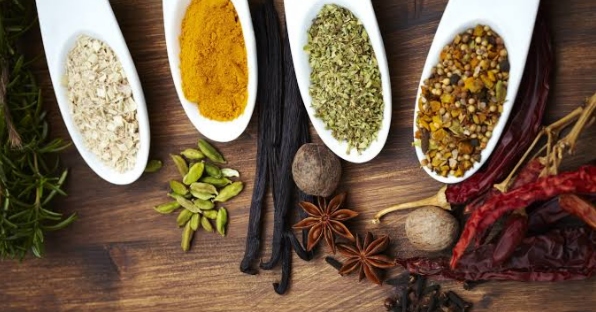
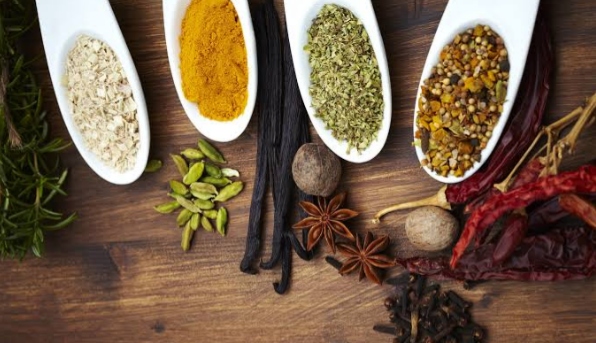
Here are the thirteen spices she began using with intention, and why each one earns its place on a family kitchen shelf.
1. Ginger: Ange grated fresh ginger into Prince Junior's afternoon tea. It calms an upset stomach and reduces the bloating that makes children restless in class, unable to sit through a lesson without shifting in their seats.
2. Turmeric: A pinch stirred into soups carries curcumin, known to support healthy inflammation levels in the gut, which in children often shows up as invisible discomfort mistaken for laziness or disinterest.
3. Cinnamon: Sprinkled over porridge in the morning, cinnamon helps steady blood sugar. A child whose sugar spikes and crashes by mid-morning cannot focus, no matter how strict the teacher is.
4. Nutmeg: Used sparingly, a tiny dash in warm milk before bed has long been trusted across African households to settle the digestive system and encourage the deep rest a growing brain needs.
5. Fennel seeds: Chewed lightly after meals or boiled into a mild tea, fennel eases gas and bloating, the exact discomfort that made Prince Junior squirm through his mathematics class.
6. Cumin: Added to bean stews and rice dishes, cumin supports the enzymes that break down food properly, meaning less energy is wasted on digestion, and more is available for thinking.
7. Garlic: Beyond flavour, garlic supports gut bacteria balance. A healthy gut environment is directly linked to steadier mood and attention in children, something Divine noticed in her little brother within weeks.
8. Cloves: A single clove in a pot of soup helps relieve gas and supports digestion, while its natural compounds have been used traditionally to ease general sluggishness in children after heavy meals.
9. Black pepper: Often overlooked, black pepper actually improves the body's absorption of nutrients from other foods, especially turmeric, meaning the two work best together, exactly as many traditional recipes already combine them.
10. Cardamom: Used in warm drinks, cardamom soothes the stomach and has a gentle, calming effect that many mothers use instinctively when a child seems overstimulated or unable to settle.
11. Thyme: Beyond its use in seasoning meat, thyme has natural properties that support respiratory and digestive comfort, which matters because a child who cannot breathe or digest easily cannot concentrate easily either.
12. Rosemary: Some early research links rosemary's aroma and compounds to improved alertness and memory. Ange began adding a sprig to roasted plantain and chicken dishes, and Prince Junior's afternoon energy slump noticeably softened.
13. Mint: Fresh mint leaves steeped in warm water after meals ease stomach discomfort quickly and safely, making it one of the gentlest, most immediate tools any household already has growing nearby.
Food is not magic; spices are not medicine in the way a hospital prescription is medicine, but what goes into a child's body every single day quietly shapes what comes out of that child every single day, whether that is energy, mood, or the ability to sit through a lesson without their stomach screaming for attention.
Consistency matters more than perfection, and small, repeated exposure works better than one dramatic change.
These 13 spices are not a cure, but they are a real, accessible, culturally familiar starting point that costs little and asks only for intention.



Comments (0)
Please sign in to join the conversation.
Loading comments...