

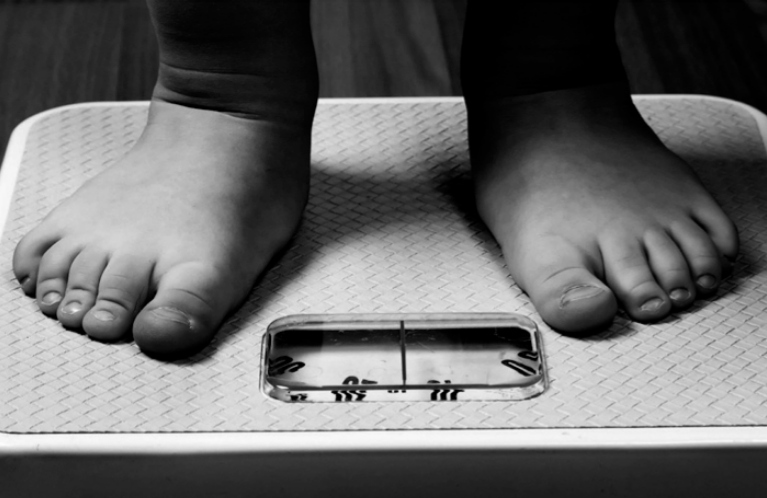
Folake Adebayo noticed it first at a birthday party. Her daughter, Adaeze, sat alone by the drinks table while other children ran barefoot across the compound, chasing a half-deflated football and shrieking with the kind of joy only childhood can produce. Adaeze didn’t join them.
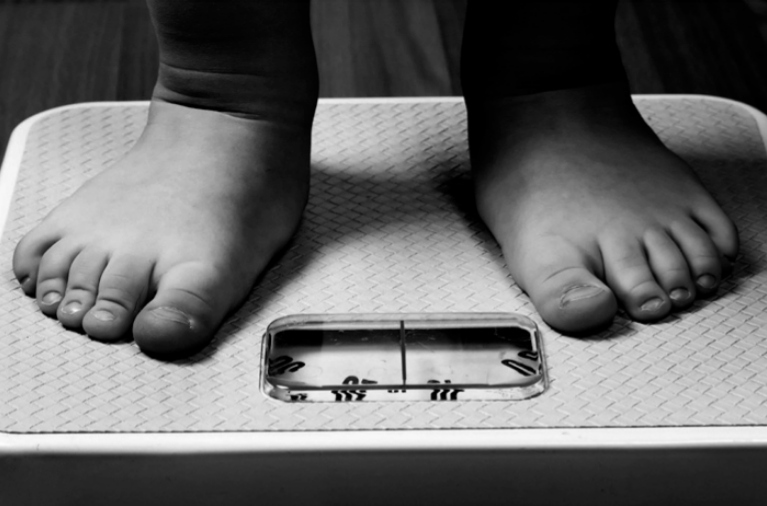
She sat with a plate of jollof rice and fried chicken balanced on her lap, picking at it slowly, watching the other children the way one watches something happening on television - present, but not part of it.
Folake told herself it was shyness. She told herself Adaeze was simply big-boned, the way her own mother used to describe her as a child, as though the phrase itself could soften what was really happening.
But three months later, when Adaeze’s class teacher gently mentioned that she struggled to keep up during the school’s morning exercises, and when Adaeze herself asked, quietly, “Mummy, why am I not fast like the other children?”, Folake finally allowed herself to see clearly.
This wasn’t baby fat. This was a pattern - one built, habit by habit, over years, without anyone intending harm.
Childhood obesity rarely happens because a parent doesn’t love their child enough - it happens because modern life has quietly rearranged how children eat, move, sleep, and feel, often faster than parenting wisdom has caught up.
Below are 13 habits we’ve seen repeatedly in real families across the continent and diaspora.
1. Treating Food as a Reward or Comfort
In the Adebayo household, sweets were currency. Good behaviour earned a chocolate bar. A bad day at school got biscuits. Over time, Adaeze learned to associate emotion with eating, a habit that follows many people well into adulthood. Food should nourish, not negotiate.
2. Oversized Portions Passed Off as “Normal”
Many African household plates are famously generous - an expression of love and abundance. But a child’s stomach is not the same size as an adult’s. Serving a child an adult portion ‘so they grow strong’ often just teaches their body to expect more than it needs.
3. Constant Snacking Without Structure
Adaeze grazed all day - biscuits after school, chin-chin before dinner, sweets tucked into her school bag just in case. Without set mealtimes, children never truly feel hunger or fullness; they simply eat because food is present.
4. Sugary Drinks Replacing Water
Soft drinks, packaged juices, and sweetened yoghurt drinks have become default beverages in many homes, often because they feel festive or convenient. Liquid sugar adds up quickly and rarely fills a child up the way real food does.
5. Screen Time Replacing Playtime
Adaeze’s evenings were spent on a tablet, not because her parents didn’t care, but because it kept her calm while dinner was prepared and chores were done. Multiply that by every evening, every weekend, and movement quietly disappears from a child’s day.
6. Skipping Breakfast, Then Overeating Later
Rushed mornings meant Adaeze often left for school with an empty stomach, only to overeat once she returned home, ravenous. An unfed body doesn’t forget - it compensates later, usually with less discipline than the moment called for.
7. Using Fried and Processed Foods as the Default
Meat pies, sausage rolls, fried plantain chips, and instant noodles are convenient, affordable, and beloved, but when they become the everyday default rather than the occasional treat, they quietly outnumber fruits, vegetables, and whole grains on a child’s plate.
8. Not Involving Children in Meal Preparation
Children who never see how food is prepared often don’t understand what’s in it. Adaeze had no idea her favourite snack contained more sugar than her birthday cake because no one had ever shown her.
9. Underestimating the Power of Sleep
Folake hadn’t realised that Adaeze’s late nights, often spent finishing homework or watching television, were disrupting the hormones that regulate hunger and fullness. Tired children crave quick energy, usually sugar, far more than well-rested ones do.
10. Praising ‘Eating Well’ as Finishing Every Plate
Many African households instil discipline around not wasting food, a value rooted in real hardship and hard-earned resourcefulness. But insisting a child finish every plate, regardless of fullness, quietly overrides their natural ability to know when they’ve had enough.
11. Limited Access to Safe Outdoor Play
In many urban compounds and estates, safety concerns keep children indoors far more than previous generations. This isn’t a parenting failure, as it’s a real, valid worry. But it does mean movement has to be intentionally created rather than assumed.
12. Emotional Neglect Disguised as Busy-ness
Adaeze wasn’t just eating out of hunger. She was eating out of loneliness, filling long afternoons alone at home with snacks because no one was there to talk to. Food had quietly become her companion.
13. Silence Around Weight, Until It’s Too Late
Many families avoid discussing a child’s weight altogether, either from love, fear of shaming them, or simple discomfort, until a teacher, doctor, or the child’s own words force the conversation into the open, often later than it should have come. So speak earlier, speak gently, and speak before silence makes the issue harder to face.
(i) None of this requires a complete overhaul overnight, and it certainly doesn’t require punishing your child or restricting their joy.
(ii) Start by setting three consistent mealtimes and gently phasing out mindless snacking.
(iii) Swap sugary drinks for water or naturally infused options like zobo made with less sugar.
(iv) Involve your child in cooking, even simple tasks like washing vegetables, so they build a relationship with real food.
(v) Create small pockets of movement - a walk after dinner, dancing to music in the sitting room, a weekend visit to a park or open field.
(vi) Talk to your child gently, honestly, without blame, asking simply, “How are you feeling in your body these days?”



Comments (0)
Please sign in to join the conversation.
Loading comments...