

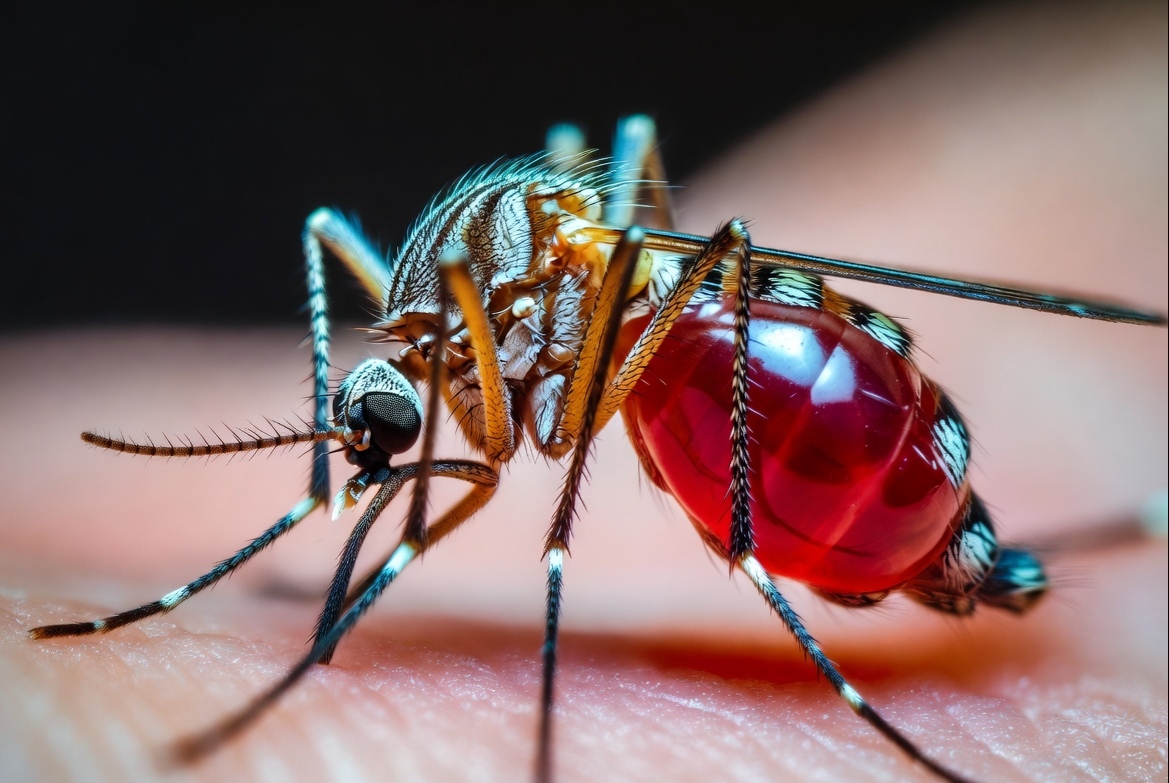
There is something deeply unsettling about the fact that an insect barely the size of a fingernail has killed more human beings than every war in history combined. Yet here we are. The mosquito, specifically the female of certain species, is responsible for over one million deaths per year, and that figure is considered conservative. What makes it so dangerous is not its size or its sting, but its role as a carrier. It moves silently between humans and animals, picking up microscopic passengers and delivering them with ruthless efficiency.
If you have ever swatted one away and thought nothing of it, this is for you.
1. Malaria — The World's Most Lethal Passenger
Malaria is perhaps the most infamous disease on this list, and rightly so. Caused by Plasmodium parasites and transmitted through the bite of infected Anopheles mosquitoes, malaria kills a child somewhere in sub-Saharan Africa approximately every two minutes. That is not a typo. Symptoms begin with what feels like a bad bout of flu: fever, chills, sweating, and muscle aches, but as the parasite multiplies inside red blood cells, the illness can escalate to organ failure, seizures, and death.
Important Things You Need to Know About Mumps
The cruel twist of malaria is that it is entirely preventable and treatable, yet it claimed over 600,000 lives in 2023 alone, the vast majority of them children under five. Access to antimalarial drugs and insecticide-treated bed nets has made enormous progress, but the disease remains stubbornly persistent in tropical and subtropical regions across Africa, Asia, and Latin America.
2. Dengue Fever — The Bone-Breaking Disease
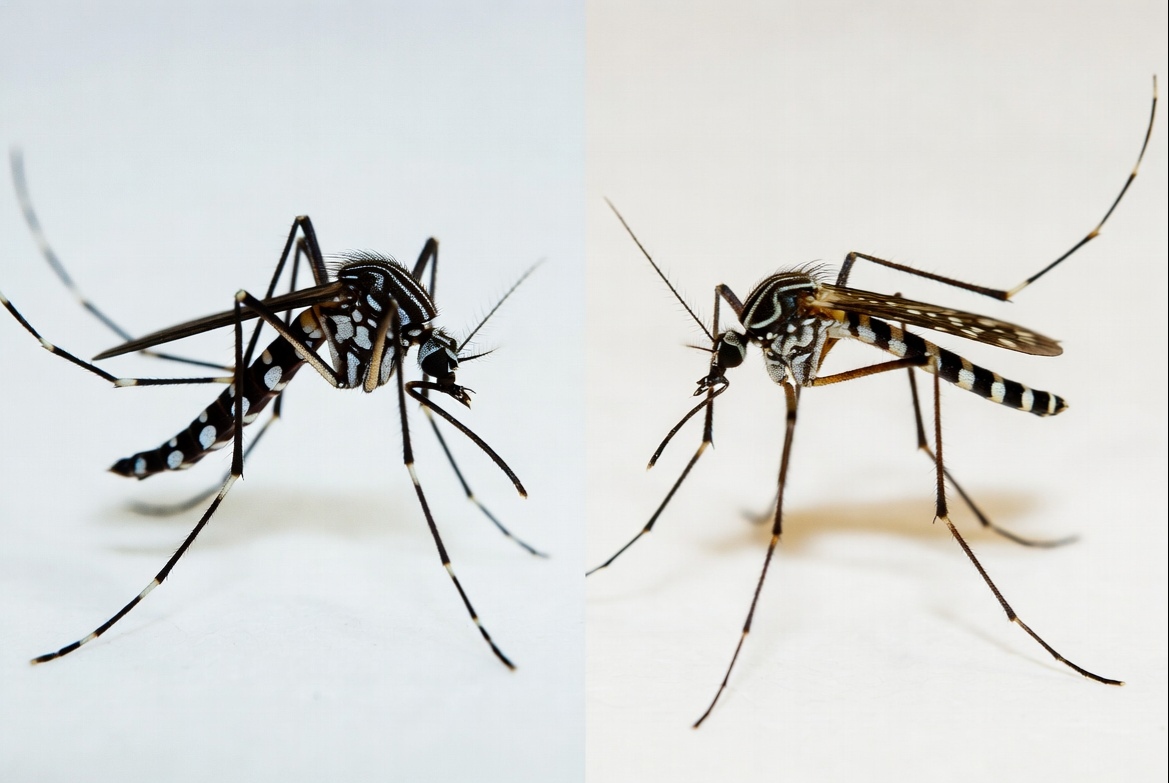
Dengue has earned a particularly gruesome nickname: "breakbone fever." Anyone who has had it will tell you the name is not an exaggeration. The intense joint and muscle pain that accompanies infection can feel as though your body is trying to pull itself apart from the inside. Spread by Aedes aegypti mosquitoes, the same species behind several diseases on this list, dengue infects an estimated 390 million people every year, of whom around 100 million fall seriously ill.
What makes dengue especially dangerous is the possibility of dengue haemorrhagic fever, a severe form of the disease that causes internal bleeding and can be fatal if not treated promptly. There is currently no specific antiviral treatment; medical care focuses on managing symptoms and keeping patients hydrated. A vaccine exists but is not universally available, and the four different strains of the virus mean a second infection with a different strain can be more severe than the first.
3. Zika Virus — The Silent Threat to the Unborn
Zika entered the global consciousness in 2015 and 2016 when Brazil reported a sudden and alarming increase in babies born with microcephaly, a condition where the brain and skull develop abnormally small. The link to Zika, transmitted by Aedes mosquitoes, sent shockwaves through the global health community and prompted urgent travel advisories for pregnant women.
For most adults, Zika causes mild symptoms or none at all, such as a slight fever, rash, and joint pain that pass within a week. But for a developing foetus, exposure to the virus can result in devastating and permanent neurological damage. Zika can also be transmitted sexually, which is rare among mosquito-borne diseases and adds a new layer of complexity to public health guidance. There is still no vaccine or specific treatment.
4. Yellow Fever — Old, Deadly, and Still Here
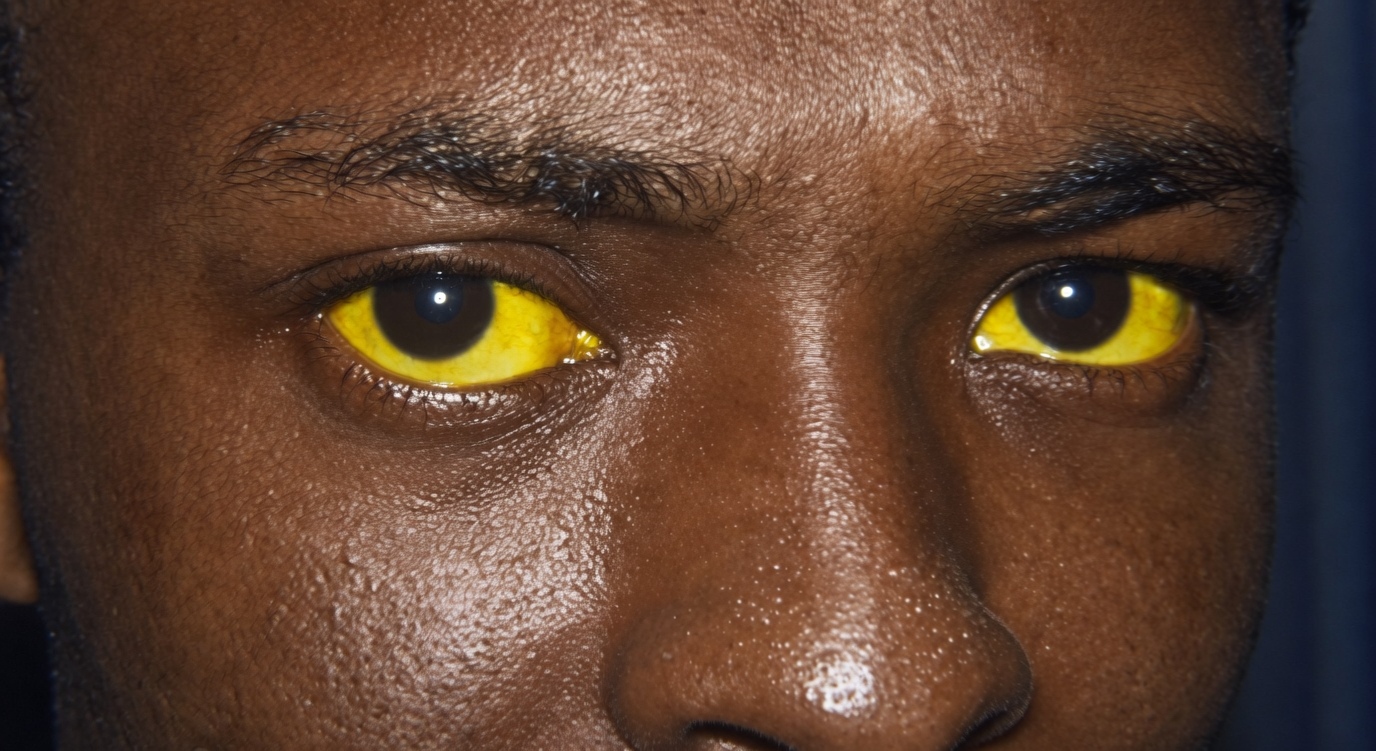
Yellow fever is one of the oldest known mosquito-borne diseases, and despite the existence of a highly effective vaccine, it continues to cause outbreaks across tropical Africa and Latin America. The disease gets its name from the jaundice, yellowing of the skin and eyes, that develops in severe cases as the virus attacks the liver.
The majority of people who contract yellow fever experience only mild illness. But for roughly 15 per cent of those infected, the disease progresses to a severe and life-threatening phase involving haemorrhaging, liver failure, and multi-organ damage. There is no antiviral treatment. The vaccine, however, is extraordinarily effective as a single dose provides lifelong protection, and many countries require proof of vaccination before allowing entry.
5. West Nile Virus — Closer to Home Than You Think
Unlike many diseases on this list, West Nile Virus is not confined to tropical regions. It is present across Africa, Europe, the Middle East, North America, and parts of Asia. Spread by Culex mosquitoes, which breed prolifically in stagnant water, West Nile can infect humans, birds, and horses alike. Most infected people — around 80 per cent — never develop symptoms at all.
However, a small proportion develop West Nile neuroinvasive disease, a serious condition that affects the brain and spinal cord. This can manifest as encephalitis (brain inflammation), meningitis, or acute flaccid paralysis, a sudden weakness in the limbs that in some cases can be permanent. There is no human vaccine and no specific treatment, making prevention the only real defence.
6. Chikungunya — The Arrival Nobody Wanted
Chikungunya, which means "that which bends up" in the Kimakonde language of East Africa, a reference to the stooped posture of those in pain, has spread dramatically in recent decades. Once confined to Africa and Asia, it has now reached the Americas, Europe, and the Pacific. Joint pain is the hallmark of this disease, and unlike many viral illnesses, that pain can persist for months or even years after the infection has cleared.
Most people recover fully, but the prolonged joint inflammation can be debilitating, particularly for older adults and those with pre-existing health conditions. Chikungunya is rarely fatal, but its capacity to reduce quality of life for extended periods makes it a significant public health concern. No vaccine or specific antiviral treatment is currently approved for widespread use.
7. Lymphatic Filariasis — The Disease That Disfigures
This one is less well known, but its consequences can be visually dramatic and profoundly life-altering. Lymphatic filariasis, commonly known as elephantiasis when it reaches its most severe stage, is caused by parasitic worms transmitted through mosquito bites. These worms lodge themselves in the lymphatic system, causing it to malfunction. Over time, affected limbs, often the legs, arms, or genitalia, swell to enormous, painful proportions.
Over 120 million people are currently infected worldwide, and around 40 million live with the disfigurement and disability associated with the disease. While drug treatments can kill the parasites, the physical damage caused by years of infection is often irreversible. The psychological impact of living with visible disfigurement in communities where the disease is often stigmatised adds another painful dimension.
8. Japanese Encephalitis — A Vaccine-Preventable Brain Disease
Despite its name, Japanese encephalitis is now rare in Japan thanks to a successful vaccination programme. It is, however, still a major cause of viral brain inflammation across rural Asia, from the Indian subcontinent to South-East Asia and the Pacific. Spread by Culex mosquitoes that breed in rice paddies and areas with significant standing water, the virus infects around 68,000 people each year.
The disease kills roughly 20 to 30 per cent of those who develop symptoms, and up to half of survivors are left with permanent neurological or psychiatric problems. A safe and effective vaccine exists, and travellers to rural parts of Asia are strongly advised to receive it. Yet for communities living in endemic areas without adequate healthcare infrastructure, the disease continues to exact a heavy toll.
9. Rift Valley Fever — When Animals and Humans Collide
Rift Valley Fever is primarily a disease of livestock like cattle, sheep, goats, and camels. However, it crosses into humans regularly, particularly during heavy rainfall that leads to large mosquito populations. Common across sub-Saharan Africa and parts of the Middle East, the virus causes miscarriages in animals on a mass scale and can devastate agricultural economies almost overnight.
In humans, most infections are mild, resembling a short flu-like illness. But a small percentage develop severe disease such as haemorrhagic fever, encephalitis, or retinal inflammation that can result in permanent vision loss. There is no approved human vaccine, and outbreaks are notoriously difficult to predict and contain. As climate change alters rainfall patterns, the risk of Rift Valley Fever spreading to new regions is a growing concern.
10. Oropouche Fever — The Emerging Threat
Oropouche fever might not be a name you recognise yet, but it has been making headlines in global health circles and not for good reasons. Primarily found in South America and parts of the Caribbean, it is caused by the Oropouche virus and spread partly by a small biting midge and partly by mosquitoes. For years, it was considered a minor illness, but recent data have suggested the virus may cause far more serious outcomes than previously understood, including neurological complications and, in rare cases, death.
In 2024, Brazil reported an outbreak of alarming scale, and the virus was detected in travellers returning to Europe and North America. Scientists are watching closely. As deforestation and urban expansion push humans deeper into previously wild habitats, viruses that once circulated quietly among animals begin to find new human hosts. Oropouche serves as a sharp reminder that the mosquito's passenger list is always subject to change.
What Can You Actually Do About It?
Knowledge is the starting point, but action matters more. Repellents containing DEET, picaridin, or lemon eucalyptus oil offer strong protection against bites. Wearing long sleeves and trousers during peak mosquito activity, usually dawn and dusk, reduces exposure significantly. Eliminating standing water around your home removes breeding grounds.
Meanwhile, if you are travelling to regions where any of these diseases are endemic, speaking to a travel health clinic well in advance can make an enormous difference. Several of these diseases are vaccine-preventable; that is a gift worth taking.
The mosquito has been with us since before recorded history, and it will outlast us if we let our guard down. Respect it. Understand it. Also, do not, under any circumstances, ignore that faint, infuriating hum in the dark.


Comments (0)
Please sign in to join the conversation.
Loading comments...